The 2026 Survival Guide: Staying Sharp in Tech Without Burning Out
Drowning in tech news? Conquer information overload in 2026 using AI summarization, second brains, and calm digests. Reclaim your sanity today.
12 min read
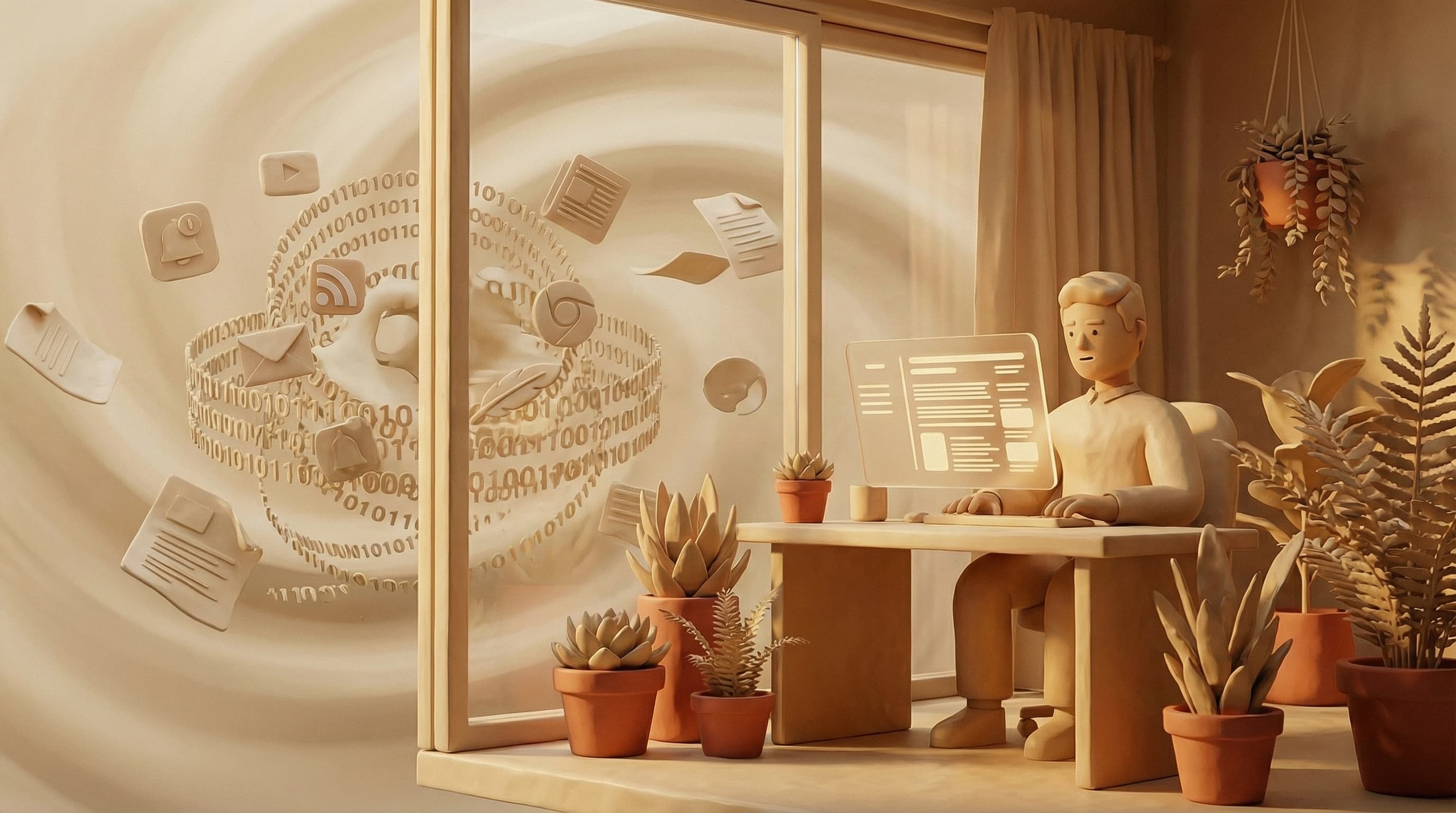
It is 2026. You wake up, grab your phone, and the flood begins.
Three new JavaScript frameworks were released while you slept. A new AI model has rendered your current project obsolete (allegedly). Your "Read Later" folder has over 400 articles, and your email inbox is a graveyard of unread newsletters you swore you’d get to "this weekend."
If you are a software engineer or a knowledge worker, this feeling isn't just annoying—it is exhausting. It feels like you are trying to drink from a firehose that never turns off.
We used to worry about finding information. Now, we worry about surviving it.
The fear of missing out (FOMO) in tech is real. You worry that if you miss one trend, your career will stall. But trying to keep up with everything is a one-way ticket to burnout.
I have been there. I have stared at a browser with 50 tabs open, paralyzed by the sheer amount of things I "needed" to learn. But over the last few years, I realized that the old way of consuming content—doomscrolling Twitter, hoarding PDFs, and subscribing to every newsletter—is broken.
This is your guide to staying updated in 2026 without losing your mind. It is about moving from a state of chaotic consumption to calm, organized insight.
The "Read Later" Graveyard
Let’s be honest about our current habits. How many times have you seen an interesting tutorial on YouTube, clicked "Watch Later," and never looked at it again? How many PDF whitepapers have you downloaded that are currently gathering digital dust on your desktop?
We treat information like we are squirrels gathering nuts for winter. We hoard it. We think that saving a link is the same thing as learning it.
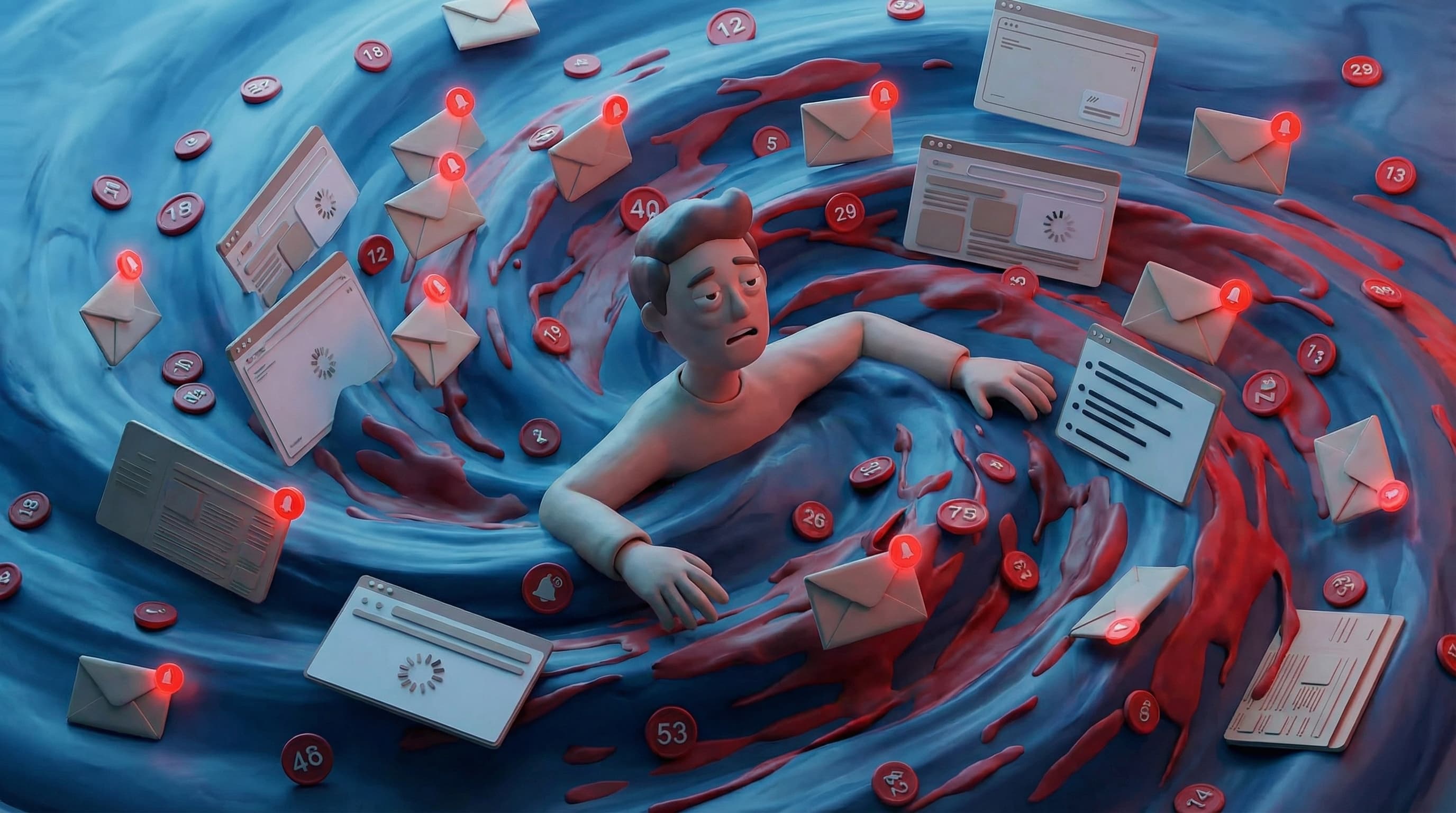
But in 2026, the volume of content is too high for this strategy. AI generates content faster than humans can read it. If you try to read every article about "The Future of AI," you will literally never do anything else.
The result is "Newsletter Fatigue." You subscribe because you want to be smart. You stop opening them because you are busy. Then, seeing the unread count rise makes you feel guilty. Eventually, you just archive them all without looking.
This cycle of excitement, overwhelm, and guilt destroys your productivity. It creates a background noise of anxiety that follows you through your workday.
The Solution: A "Second Brain"
The only way to survive the 2026 information landscape is to stop using your biological brain to store temporary facts. You need a "Second Brain."
A Second Brain is a system that captures, organizes, and distills information for you. It is a trusted place outside your head where you can put things, knowing they will be there when you need them.
But here is the catch: most Second Brain systems are too much work. If you have to manually copy-paste every article into Notion or Obsidian, tag it, and summarize it yourself, you won't do it. The friction is too high.
We need a system that is automated. We need a system that works for us, not one that gives us more chores.
This is where the philosophy behind Nestornotes comes in. It was built to solve this exact problem: to turn the noise of the internet into a quiet library of wisdom.
Here are the three pillars of staying sane in the modern tech world.
Pillar 1: Centralize Your Inflows
Right now, your information is scattered.
- YouTube: For tutorials and conference talks.
- Email: For newsletters and digests.
- Twitter/X: For breaking news and hot takes.
- RSS Feeds: For blogs and company engineering updates.
- Browser Bookmarks: For random articles.
This fragmentation is a killer. You have to check five different apps just to see "what's new." This context switching drains your battery before you even write a line of code.
The first step to sanity is Centralization. You need one single inbox for everything.
Imagine a world where you don't check your email for newsletters. Instead, you route them to a dedicated hub. You connect your RSS feeds, your favorite YouTube channels, and even upload those PDFs to the same place.
In Nestornotes, we call these "Collections." You might have a collection for "React Development," one for "AI News," and one for "Career Growth."
When you centralize, you regain control. You stop reacting to notifications from five different apps and start intentionally checking one hub when you are ready.
Pillar 2: AI as a Filter, Not a Creator
We talk a lot about AI generating content, but its true superpower for knowledge workers is Summarization.
You do not need to watch a 45-minute YouTube video to know if it has value for you. You do not need to read a 3,000-word article to get the three key takeaways.
In 2026, reading raw content is inefficient. You should be reading summaries first.
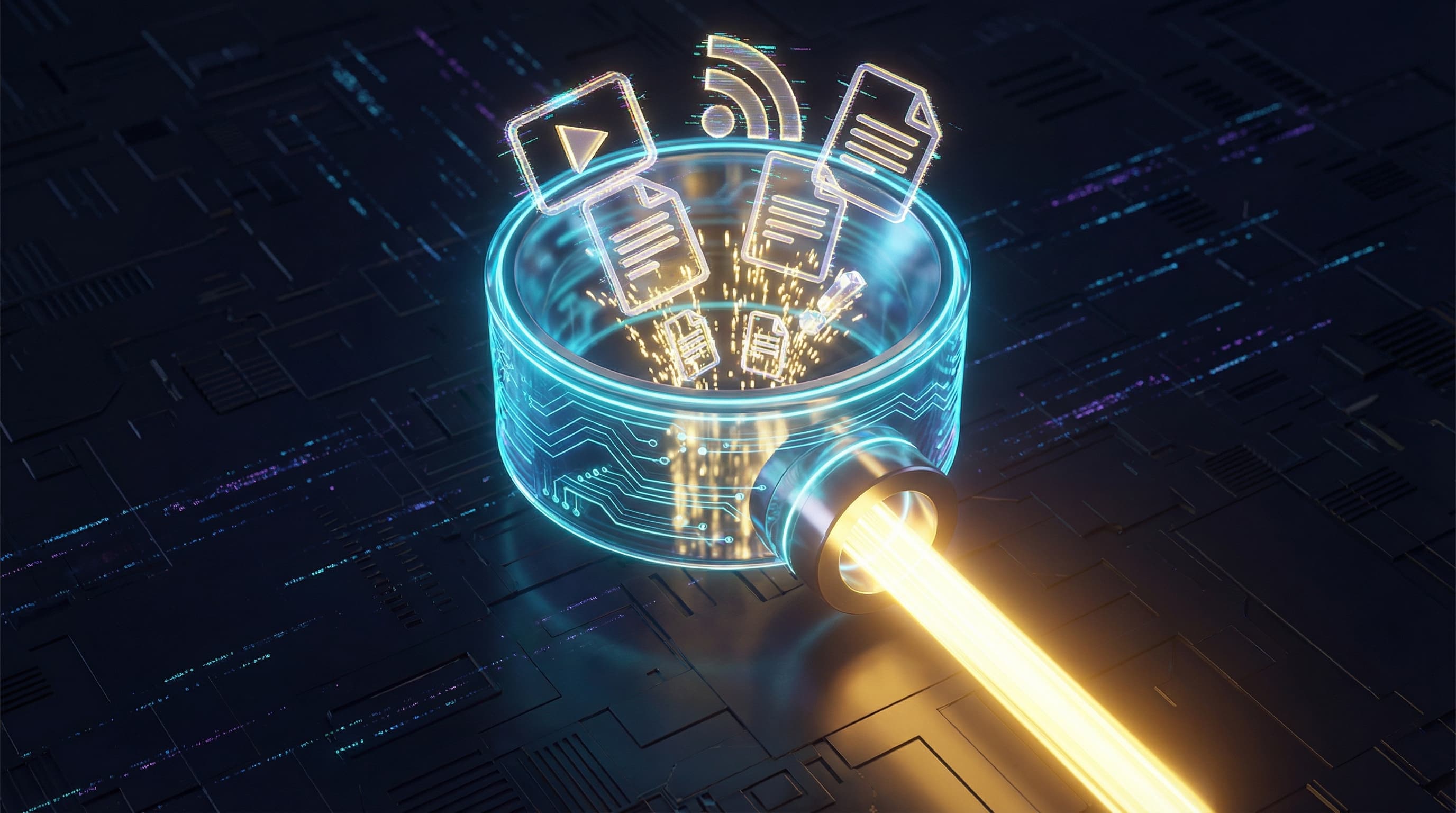
This is a core feature of Nestornotes. When you save a video, article, or email to your hub, the AI automatically digests it. It strips away the fluff, the ads, and the intros, giving you concise bullet points.
The "Gist" Strategy:
- Scan the Summary: Spend 30 seconds reading the AI summary.
- Decide: Is this relevant to my current problem?
- Deep Dive (Optional): Only read the full source if the summary proves it is valuable.
This simple switch saves hours every week. It allows you to "consume" the main points of 20 articles in the time it usually takes to read one. You stay updated on the broad trends without getting bogged down in the weeds unless you choose to.
Pillar 3: Pull, Don't Push (The Calm Digest)
The biggest enemy of sanity is the "Push" notification.
Ding. New email. Buzz. New tweet. Ping. New video.
These interruptions shatter your focus. It takes an average of 23 minutes to get back into a deep flow state after an interruption. If your phone buzzes every 10 minutes, you are never doing deep work.
You need to switch to a "Pull" model.
A "Pull" model means you receive information on your schedule, not the sender's.
This is why Calm Digests are essential. Instead of getting 20 emails throughout the day, imagine getting one email at 8:00 AM (or whenever you choose).
This digest contains the summaries of everything that came in yesterday. It is organized, categorized, and clean. You can scan it while you drink your morning coffee. You see the weather, maybe a stock ticker, and then a briefing on the tech news that matters to you.
You satisfy your FOMO in 10 minutes, and then you close your email and get to work. No distractions for the rest of the day.
Nestornotes automates this. It collects your newsletters and feeds, summarizes them, and delivers a single, beautiful briefing to your inbox. It turns a flood into a stream.
From Hoarding to Chatting: The "Nestor" Concept
Okay, so you have centralized your content and you are reading summaries. But what about retrieving that information later?
We have all had that moment: "I remember reading about a tool that fixes this specific bug... was it in a newsletter last month? Or a YouTube video?"
Searching through old emails is a nightmare.
In 2026, we don't search keywords; we ask questions.
Your Second Brain should be conversational. You should be able to chat with your own library.
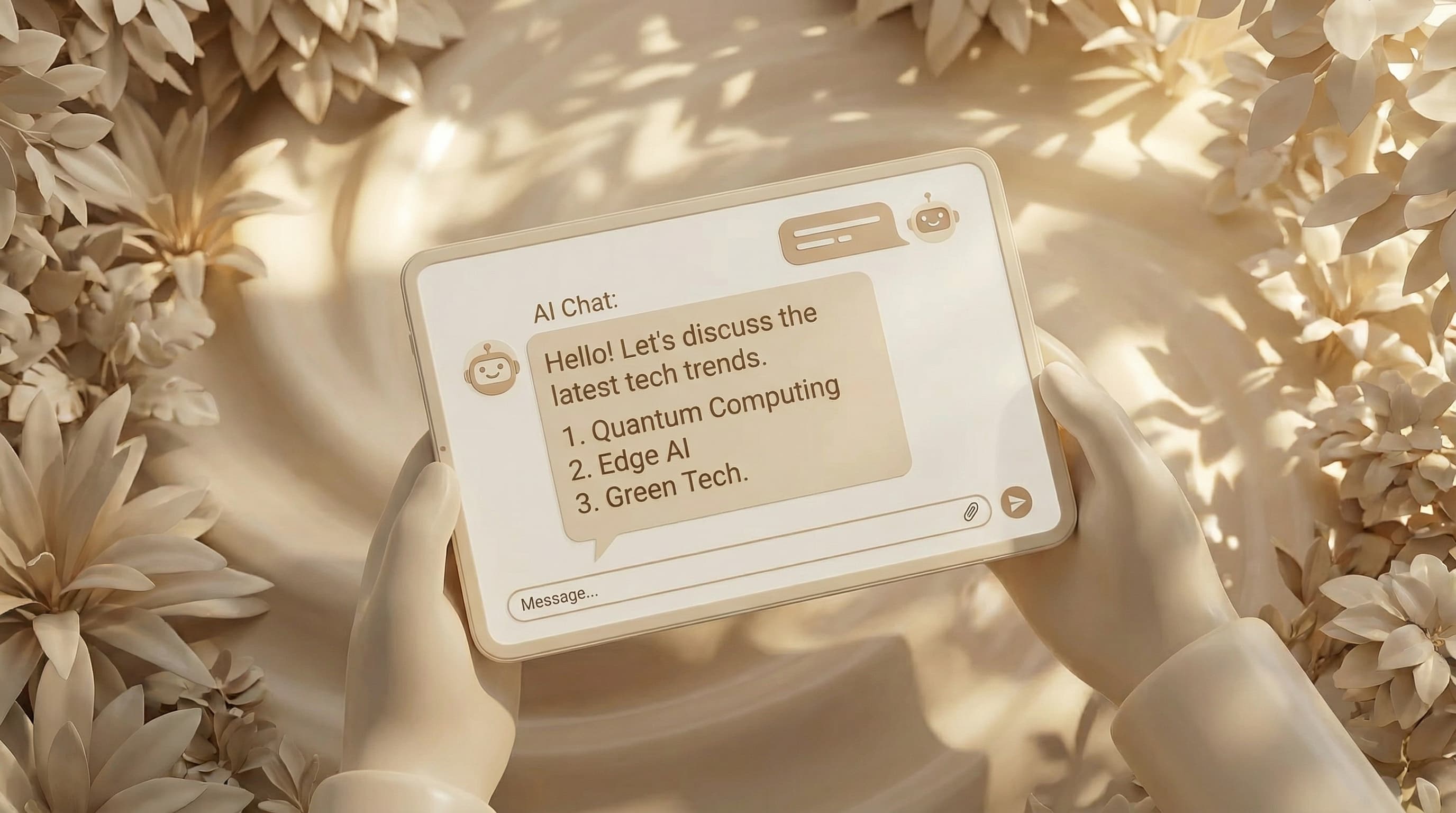
This is where searchable summaries become useful. You can look back across your saved sources for:
- "What tools were mentioned in my 'React' collection this week?"
- "Summarize the different opinions on the new Python release from my saved articles."
- "Draft a LinkedIn post based on this week's AI news."
This changes the game. You are no longer just a consumer of information; you are a master of it. You can synthesize new ideas by combining the fragmented sources you have collected.
Practical Steps to Take Today
If you are feeling the burnout, you don't have to wait until you build a complex system. You can start reclaiming your sanity right now.
1. The Unsubscribe Purge Go to your email. Look at the last 10 newsletters you received. If you haven't opened the last three, unsubscribe. Be ruthless. If it’s important, it will find you again.
2. Turn Off "Push" Disable notifications for everything except direct messages and urgent work alerts. Twitter, YouTube, and News apps do not need to vibrate your pocket.
3. Choose Your Hub Decide where your information lives. Stop leaving tabs open. Whether you use a simple tool or a dedicated platform like Nestornotes, pick one place.
4. Schedule Your Consumption Block out 20 minutes in your calendar. Call it "Learning Time." Do not read tech news outside of this block. When you find an article during the day, save it to your hub and close the tab. Trust that you will get to it during your scheduled time.
Conclusion: Value Your Mental Space
The tech industry thrives on hype. It wants you to feel like you are falling behind. It wants you to click, scroll, and watch.
But your value as a developer or knowledge worker does not come from knowing every single rumor about the next iPhone. Your value comes from your ability to think clearly, solve problems, and build things.
Information is just fuel. If you flood the engine, it stalls.
By curating your sources, using AI to summarize the noise, and interacting with your knowledge through a tool like Nestornotes, you can turn the firehose into a fountain.
You can stay updated. You can be the person who knows the trends. And you can do it all while closing your laptop at 5 PM with a clear head.
Welcome to the future of knowledge management. It’s calm here."